Whether by cannibals or by worms.

The Paton Society exists to glorify God by connecting, inspiring, equipping, and supporting Presbyterianand Reformed missionary teams. Our primary mission is to plant confessional, means-of-grace churches among unreached language groups.


WE ACHIEVE OUR MISSION BY
Inspiring P&R Churches and Presbyteries: We raise awareness of the great gospel need abroad, and provide resources to inspire churches and presbyteries to send and support missionaries.
Connecting & Building Networks: We connect seminaries, local churches, and presbyteries, to support missionary teams effectively.
Training P&R Churches: We offer leadership on the theological complexities of church planting aligned with Reformed convictions.
Supporting the Church: We support the vital work of establishing ordinary means-of-grace, confessional churches in unreached languages with the goal of forming presbyteries.




JOHN G. PATON
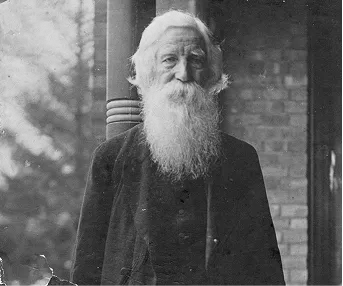
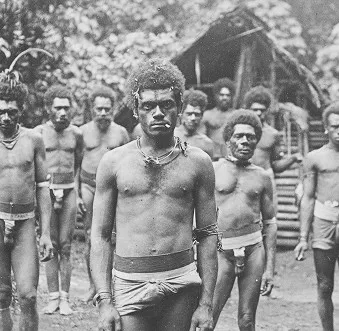
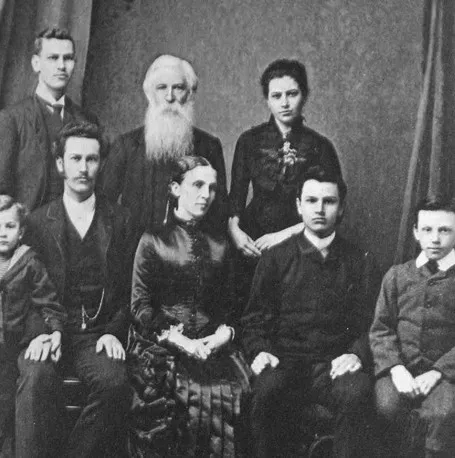

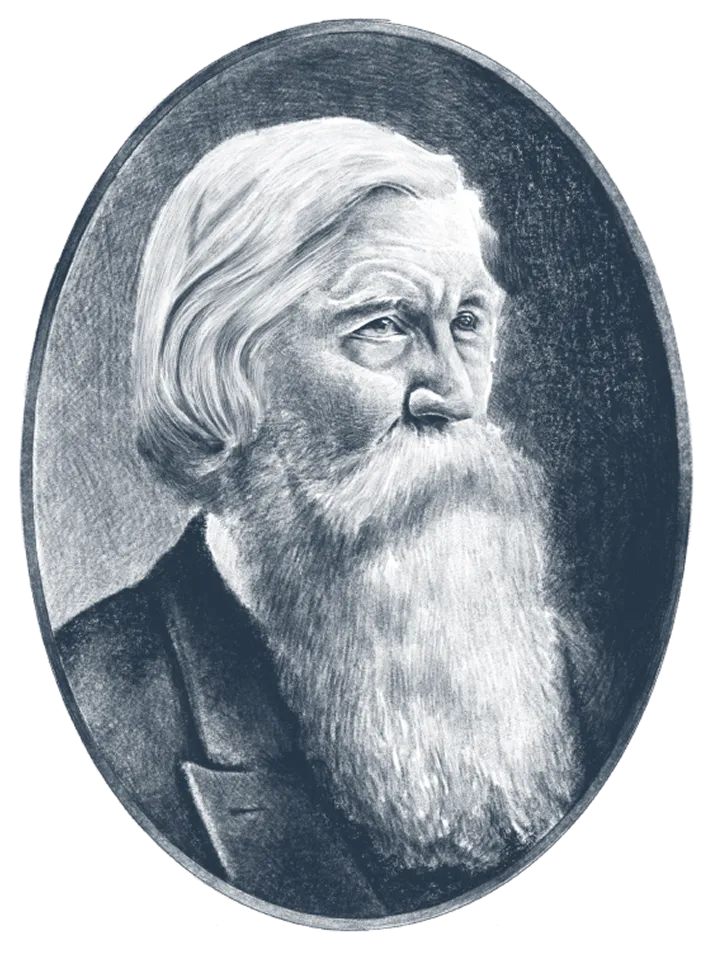
Born into a Christian family near Dumfries in 1824, John Gibson Paton’s early years were marked by a struggle against poverty. He was self-educated, and the training ground for his life’s work was the slums of Glasgow where he laboured with success as a city missionary. With ‘the wail of the perishing heathen in the South Seas’ continually sounding in his ears, he prepared himself to serve overseas and was ordained as a missionary to the New Hebrides in 1858.
The difficulties that confronted Paton were accentuated by the sudden death of his wife and child within months of their arrival. Against the savagery and the superstition, despite the trials and the tragedies, Paton persevered and witnessed the triumph of the gospel in two of these South Sea islands. His life is almost without parallel in missionary annals and his account of it in his autobiography – John G. Paton: Missionary to the New Hebrides (Vanuatu) – is moving and gripping.
Paton re-married (Margaret Whitecross) during furlough in Edinburgh in 1864, and on their return to the South Seas in 1866 he and Maggie established a new mission station on Aniwa Island. They lived to see the entire island of Aniwa profess Christianity. In 1899 Paton’s Aniwa New Testament was printed and missionaries were established on twenty five of the thirty islands of the New Hebrides.

TO THE ENDS OF THE AGE.
TO EVERY LANGUAGE ON EARTH.
Interested in serving as a missionary with The Paton Society?
Wondering how your church could get more involved in studying, praying, and supporting missions among unreached languages? Contact us to learn about the preparation necessary for undertake the high calling of missionary service and church planting. We'll introduce you to trusted partner institutions who are working together to make Reformed church planting among the unreached a priority.
Our President, Rev. Ian Hamilton would be happy to speak with you and potentially visit your church to share about the work of the Paton Society.

IAN HAMILTON
Your interest in The Paton Society means a great deal to us. We’re grateful for your support and will be in touch shortly with next steps.