Whether by cannibals or by worms.

The Paton Society exists to glorify God by connecting, inspiring, equipping, and supporting Presbyterian and Reformed missionary teams. our primary mission is to see confessional, means-of-grace churches planted among unreached language groups.

WE ACHIEVE OUR MISSION BY
Inspiring P&R Churches and Presbyteries: We raise awareness of the great gospel need abroad, and provide resources to inspire churches and presbyteries to send and support missionaries.
Connecting & Building Networks: We connect seminaries, local churches, and presbyteries, to support missionary teams effectively.
Training P&R Churches: We offer leadership on the theological complexities of church planting aligned with Reformed convictions.
Supporting the Church: We support the vital work of establishing ordinary means-of-grace, confessional churches in unreached languages with the goal of forming presbyteries.

the leadership behind our mission









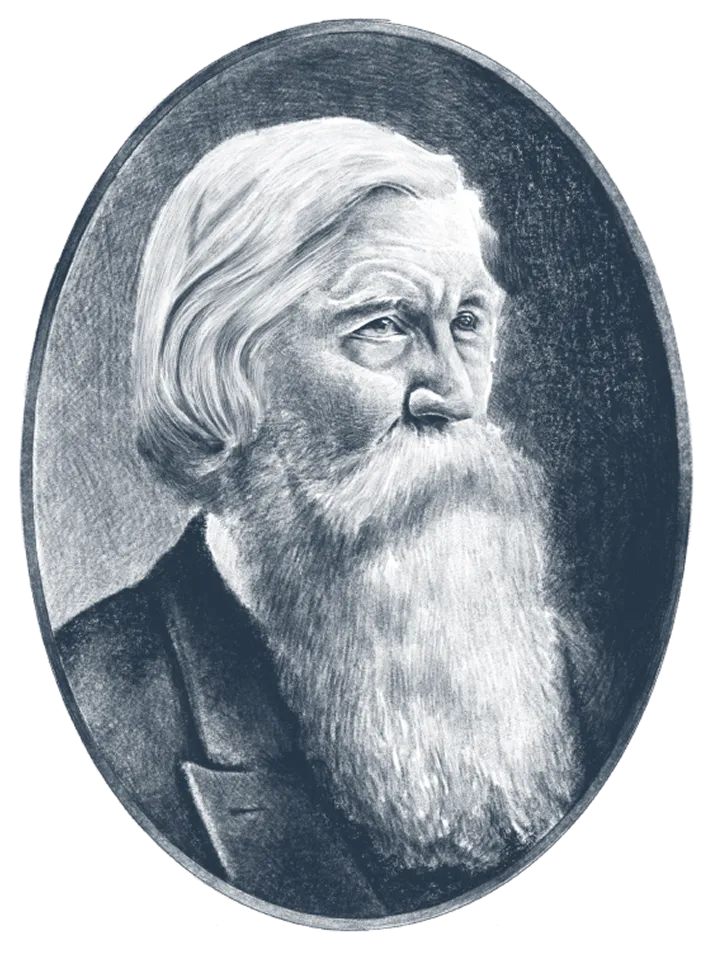
JOHN G. PATON
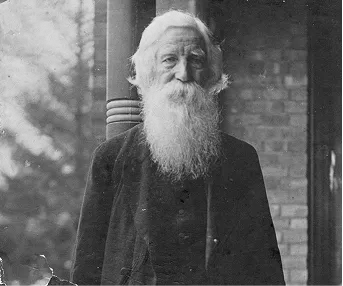
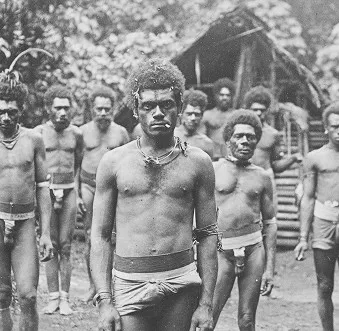
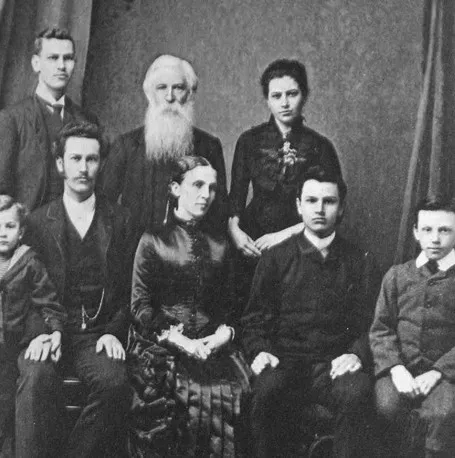

John Gibson Paton (1824-1907) was a pioneer missionary whose life and ministry has inspired generations of Christians to pray for and give themselves to fulfilling the Great Commission. Paton was raised by godly parents in southwest rural Scotland. From his youth, Paton committed himself to being a missionary. When Paton offered himself to the Reformed Presbyterian Church to go to the New Hebrides (Vanuatu) in the South Pacific, an older minister said, “If you go, the cannibals will eat you.” Paton memorably replied, “Whether the cannibals or the worms eat me, my body will rise as fair as yours on the day of resurrection.”
In 1858, Paton and his young wife set sail for the New Hebrides. No sooner had they arrived on the island of Tanna when his young wife died, and three weeks later, his infant son of three months. Paton was distraught, but he remained undaunted. After four years of unrelenting gospel ministry on Tanna, Paton was forced to leave due to the hostility of the natives. In the immediately following years, Paton returned to the UK and traveled widely throughout Australia, recruiting young men “to give up their small ambitions” and devote their lives to making Christ known to unreached peoples.
In 1864 Paton married Margaret Whitecross during furlough in Edinburgh, and on their return to the South Seas in 1866, he and Maggie established a new mission station on Aniwa Island. They lived to see the entire island of Aniwa profess Christianity. In 1899, Paton’s Aniwa New Testament was printed, and missionaries were established on twenty-five of the thirty islands of the New Hebrides.
Paton’s life reads like an adventure story. His Autobiography is by turns, gripping, challenging, and humbling. As Paton reflected on his life as a missionary, he wrote, “Oh, I wonder, I wonder, when I see so many good ministers at home, crowding each other’s heels, whether they would not part with all their home privileges, and go out…” (356, Autobiography).

TO THE ENDS OF THE AGE.
TO EVERY LANGUAGE ON EARTH.
Interested in serving as a missionary with The Paton Society?
Wondering how your church could get more involved in studying, praying, and supporting missions among unreached languages? Contact us to learn about the preparation necessary for undertaking the high calling of missionary service and church planting. We'll introduce you to trusted partner institutions who are working together to make Reformed church planting among the unreached a priority.
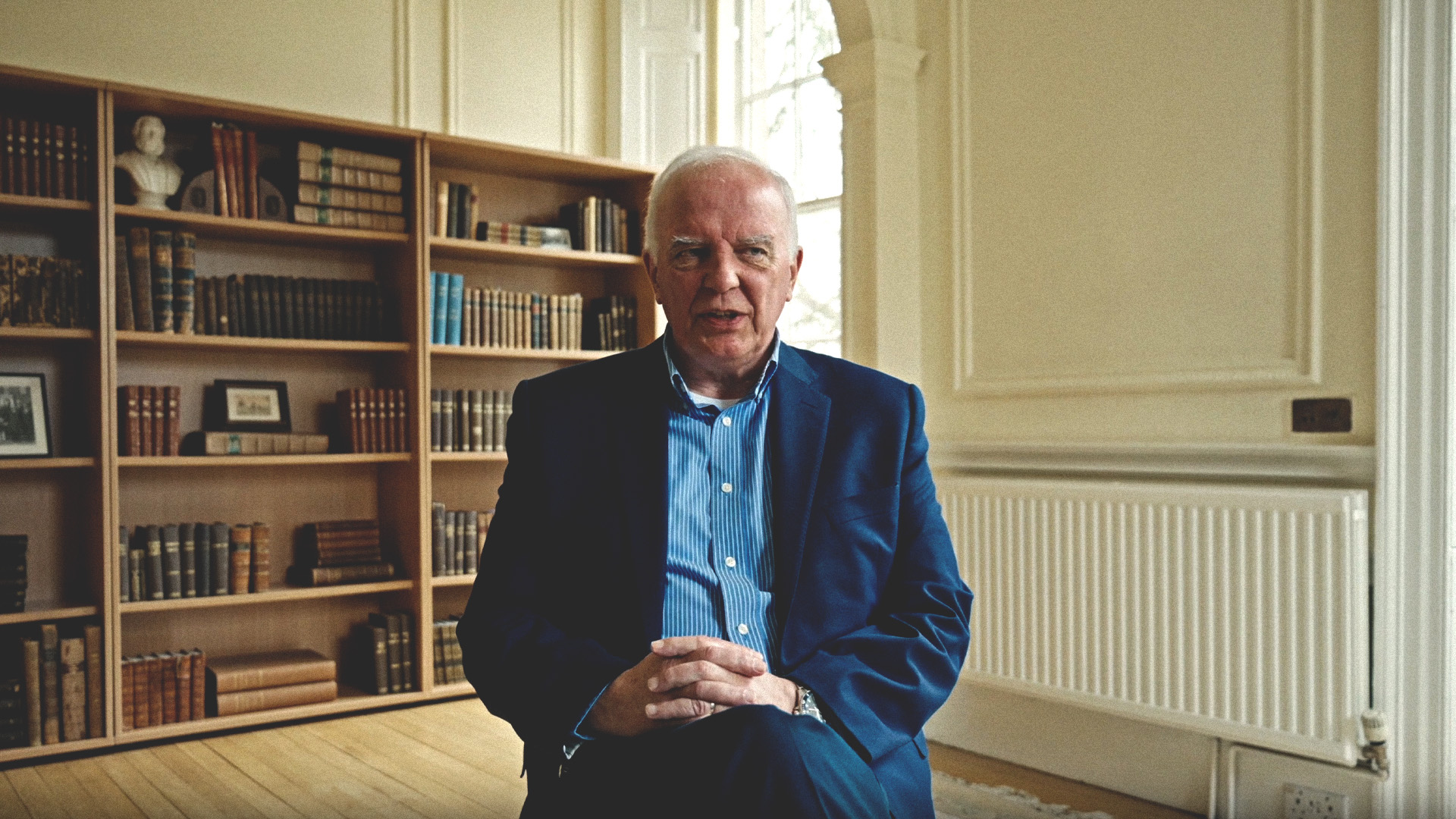
Our President, Ian Hamilton would be happy to speak with you and potentially visit your church to share about the work of the Paton Society.

IAN HAMILTON
Your interest in The Paton Society means a great deal to us. We’re grateful for your support and will be in touch shortly with next steps.